What do split nails look like?
Just like hair, nails are made up of a substance called keratin. Made up of several layers, it protects them from external damage. But sometimes keratin breaks down, causing the nails to become brittle.
This can result in soft, brittle nails, or nails that split, revealing the different layers of keratin. Other signs may appear, such as flaking, crumbling, spots, deformities or ridges on the nail. While this phenomenon is particularly unpleasant, it is necessary to understand its causes in order to deal with it properly.
Why are my nails splitting?
Several factors can contribute to nail splitting. Some are related to your lifestyle and others to external elements. By learning to recognise them, you can better avoid them.
External factors
First, did you know that keratin is a porous material? This means that water penetrates the keratin layers and causes them to swell, which weakens the nail. Prolonged immersion in water can therefore cause your nails to split. Chemicals, such as detergents and solvents, damage the nails, which is why they tend to break more easily if they are frequently exposed to them. Furthermore, certain infections, such as fungal nail infections, can also weaken the nail, discolour it and make it brittle.(1)
Personal hygiene
Some stress-related habits can also increase the fragility of the nails. This includes, among other things, nail biting. You should also be aware that certain nutrient deficiencies can also cause split nails, particularly if they are accompanied by anaemia or confirmed anorexia.
Ageing is another factor contributing to brittle nails, as blood circulation becomes less efficient and older people become more susceptible to nail problems.(2) Pregnancy also causes changes to the structure of the nail, which can sometimes lead to splitting.(3)
Finally, an inappropriate manicure and prolonged exposure to the sun or extreme temperatures can also cause split nails.
What should I do to prevent nail splitting?
Now that you have a better understanding of what can cause split nails, the key is to take the steps that will enable you to resolve the problem for good. Food, suitable solutions and new lifestyle habits will be your best ally for this.
Everyday habits to adopt
To minimise the risk of split nails, start by protecting them from external damage by wearing rubber gloves when gardening, doing DIY or handling household products containing detergents or solvents.
To avoid prolonged immersion in water, prefer showering to bathing or limit the duration. As fungal infections can make your nails more brittle, make sure you dry your feet and hands thoroughly after a shower or bath, as damp conditions encourage the growth of bacteria. Make sure you protect your hands from the cold in winter by wearing gloves, which will prevent your nails from drying out.
If your nails are splitting because you bite them, try adopting some stress-management techniques such as mindfulness meditation or breathing exercises. Also, trim your split nails regularly and avoid using them to open a tin or scratch a surface, for example.
Use a nail file rather than nail clippers, which can cause minor damage to the nail, and always file your nail in one direction only, without moving the file back and forth. Avoid the use of metal cuticle pusher, nail polish and nail polish remover as much as possible. Also remember to moisturise your hands regularly, massaging the cream right down to your nails.
A vitamin-rich diet
Your diet plays an important role in the health and beauty of your nails. Indeed, we have seen that a deficiency in certain nutrients can cause a nail to split. That is why we recommend that you eat foods rich in selenium and zinc every day, as these trace elements help to maintain healthy nails.
The most selenium-rich foods are:
• Brazil nuts,
• seaweeds (wakamé, nori),
• fish such as tuna, cod or pollock,
• alfalfa seeds,
• raw egg yolk (in fried or soft-boiled eggs, for example),
• poultry, rabbit or cod liver,
• old-fashioned mustard,
• seafood (cuttlefish, scampi, crab, etc.),
• black olives.(4)
The most zinc-rich foods are:
• oysters,
• wheat germ,
• beef, veal or lamb,
• seafood (crab, lobster),
• alfalfa, sesame and flax seeds,
• cocoa,
• cashew nuts,
• pine nuts,
• thyme, basil and parsley (5)
By adding these foods to your meals, you will reduce the splitting of your nails and help them regain their vitality. Overall, aim for a varied and balanced diet that provides you with all the vitamins and nutrients your body needs. But to have healthy nails, it is not enough just to eat well and follow the right habits. Also ensure that you provide them with the care appropriate to their condition.
The URGO product you need: URGO Filmogel® nail-regenerating care
Look after your nails with the right treatment
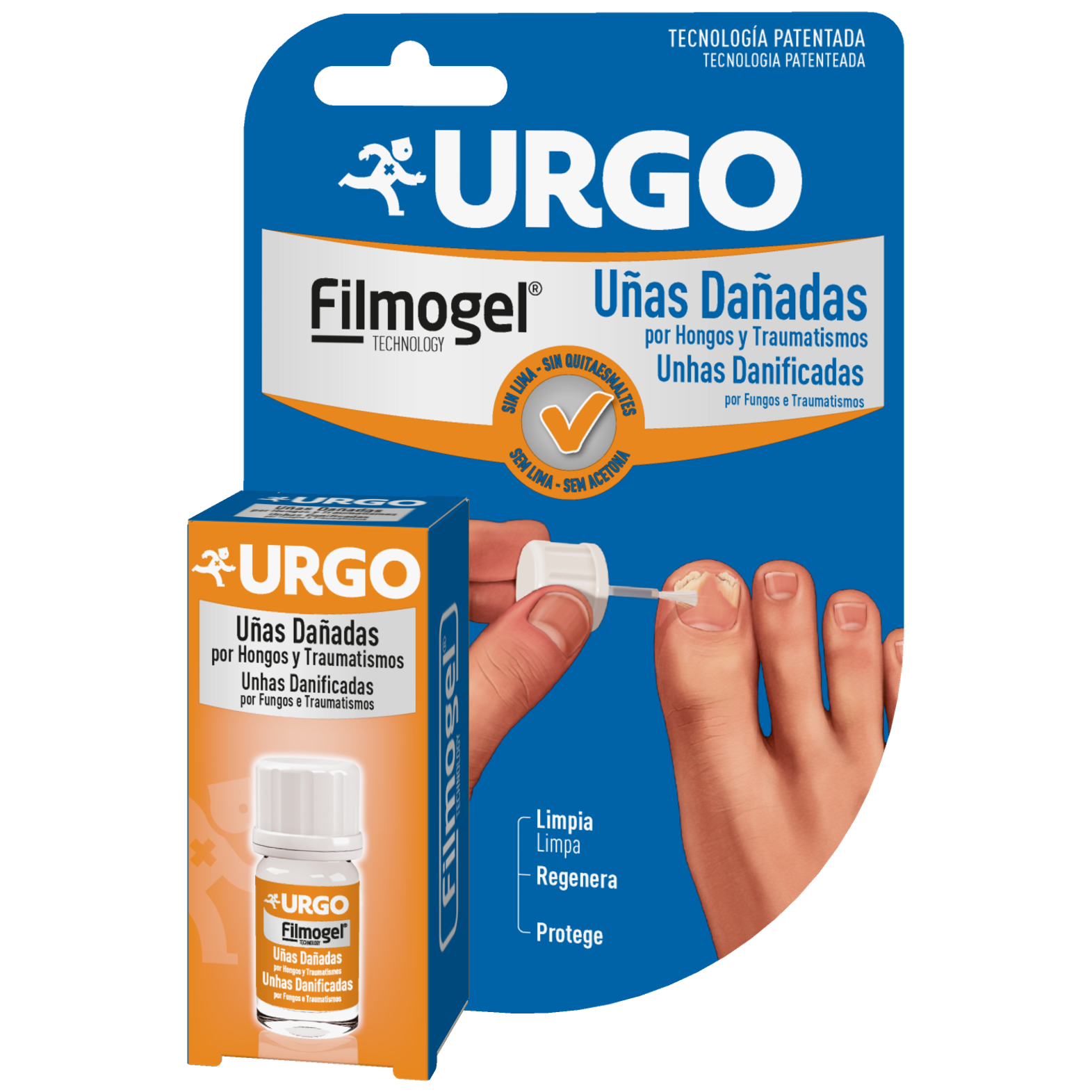
URGO Filmogel® Regenerating Nail Care (age 15 years and over) is available to restore strengthened and nourished nails quickly once nail diseases have been ruled out. Formulated with keratin, glycerine and squalane, this 3-in-1 treatment combines the benefits of a strengthening nail varnish and a nourishing oil, with visible results from as early as 3 days. What’s more, its Filmogel® technology creates a protective film on the surface of the nail to shield it from damage.
If you want to stop biting your nails, we recommend URGO Filmogel® STOP Nail Biting (age 3 and over). It has a dual action, as the vitamin E it contains helps to regenerate and strengthen the structure of the nail. But its bitter taste also stops you from biting your nails.