What Is a Black Toenail?
A black toenail generally corresponds to a build-up of blood under the nail, known as a subungual haematoma.
This build-up causes a dark red to black discolouration, sometimes accompanied by pain and swelling. In some cases, the nail eventually lifts or falls off, making way for new nail growth.
Although it can look alarming, this phenomenon is common and particularly affects athletes, as well as anyone who has suffered trauma to the toe.
The Main Causes of a Black Toenail
1. Direct Trauma
A blow to the toe, a heavy object falling on it, catching it in a door...
Severe impacts are the most common causes of a black nail. They cause small blood vessels under the nail to rupture, forming a haematoma. Depending on the severity of the trauma, the nail may lift partially or completely.
2. Sport and Repeated Minor Trauma
In runners, hikers and team sport enthusiasts, repeated friction between the nail and the shoe causes small, cumulative traumas that eventually lead to a haematoma.
This phenomenon, known as "runner's black toe", is particularly common during long distances, such as marathons.
The main causes are shoes that are too small or too tight, nails cut too long, which increases pressure at the front of the shoe, or prolonged descents while hiking, which increase friction.
3. Rarer Medical Causes
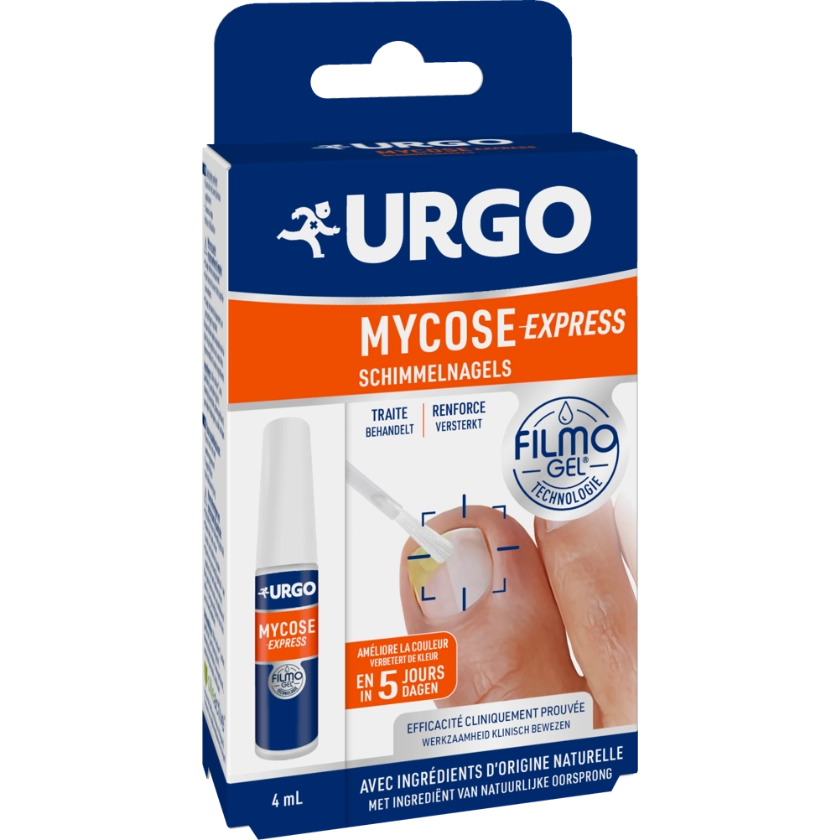
In some cases, a black nail may be linked to other conditions: nail fungus, or onychomycosis, causes discolouration, sometimes brownish or black, and weakens the nail.
Subungual melanoma, which is very rare, is a skin cancer that presents as a persistent dark mark under the nail. Unlike a haematoma, the mark does not move as the nail grows out. A medical diagnosis is essential in this case.
Symptoms to Watch For
A black toenail is sometimes accompanied by specific signs that help identify the cause:
- Throbbing pain or swelling → often linked to a recent haematoma.
- Uniform discolouration that fades as the nail grows out → generally corresponds to a harmless haematoma.
- Nail that thickens or becomes deformed → may indicate a fungal infection.
- Fixed dark mark that does not move with nail growth → suspected melanoma, urgent consultation required.
What Should You Do If You Have a Black Toenail?
1. Relieving Trauma
After an impact, it is advisable to apply cold to limit inflammation, elevate the foot to reduce swelling, and disinfect if there is an associated wound. If the pain is severe, or if the haematoma covers more than half of the nail, a medical consultation is required. The healthcare professional may drain the haematoma if necessary.
2. Protecting the Nail Day to Day
The black nail needs to be protected to prevent friction and reduce the risk of infection. Specific dressings, such as those offered by URGO for superficial wounds, help secure the area while allowing you to continue your activities.
If the nail lifts, it is important not to pull it off. It will fall off on its own and gradually grow back, a process that can take several months.
To support the regrowth of a weakened or discoloured nail after trauma or a fungal infection, suitable protective solutions are available. URGO Filmogel® Damaged Nails regenerates and protects nails damaged by fungal infection or minor trauma. It's the URGO solution for healthy, beautiful nails again, with complete ease.
3. When Should You See a Doctor?
A consultation is recommended if the pain is persistent or severe, if the haematoma extends over more than 50% of the nail, if redness, a feeling of heat or pus appears (a sign of infection), if the black nail is recurrent or unexplained, or if the dark mark does not move as the nail grows out.
The URGO Product You Need: URGO Filmogel® Damaged Nails
How Can You Prevent a Black Toenail?
Choose the Right Footwear
Shoes that are too tight are one of the main causes of a black nail. Choose a style with enough room at the front of the foot, especially for running and hiking.
Cut Your Nails Correctly
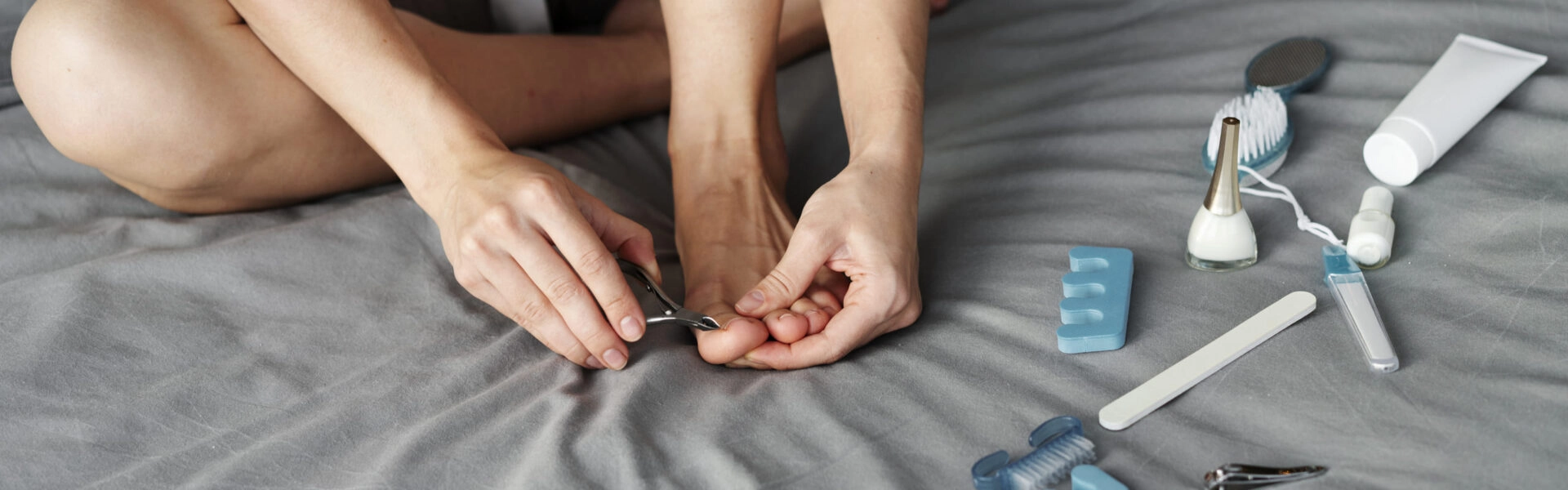
Nails that are too long increase the risk of pressure and trauma. It is recommended to cut them straight across, without rounding the corners too much, to avoid ingrown nails.
Wear Technical Socks
For sport, choose breathable socks that reduce friction and limit moisture, a factor in fungal infections.
Moisturise and Monitor Your Feet
Good hygiene and regular moisturising help maintain healthy nails. Inspecting your feet after physical activity helps you quickly spot any potential injury.
Nail Growth and Regrowth
A black nail takes time to disappear: you need to wait for the nail's natural growth for the mark to be eliminated. On average, a toenail fully regrows in 12 to 18 months.
During this period:
- Protect the nail with a dressing if necessary,
- Avoid repeated trauma,
- Maintain good hygiene.
If the nail falls off, it is essential to protect the exposed area with a sterile dressing until the new nail grows back properly.
A black toenail is most often the result of a haematoma linked to an impact or repeated friction, particularly during sports activities. Although usually harmless, it should be monitored to prevent any complications. Suitable protection, rigorous hygiene measures and well-chosen footwear all help reduce the risks.
However, if the pain is significant, if the mark does not fade as the nail grows out, or if other symptoms appear, a medical consultation remains the best solution for healthy nails and to protect the long-term health of your feet.