How do you get blisters?
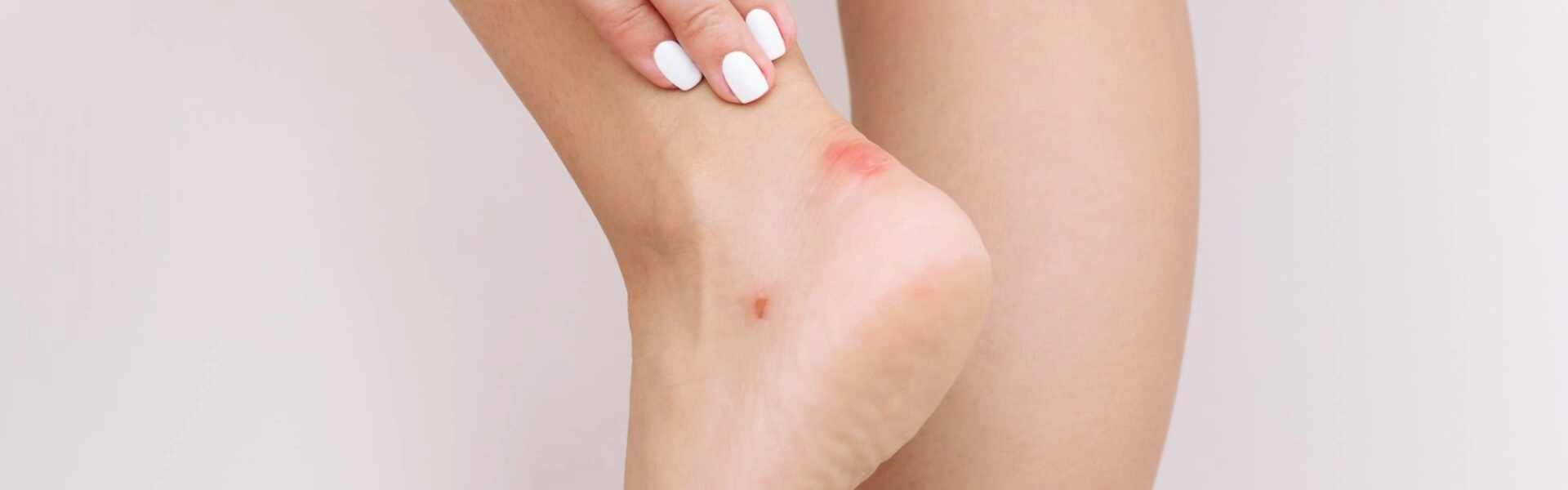
A raised area of the epidermis (the outermost layer of the skin) that occurs following an injury is commonly referred to as a ‘blister’. It is, in fact, a defence mechanism of the skin that seeks to protect the body in the event of repeated friction.
This rubbing can have various causes:
• new or overly tight shoes,
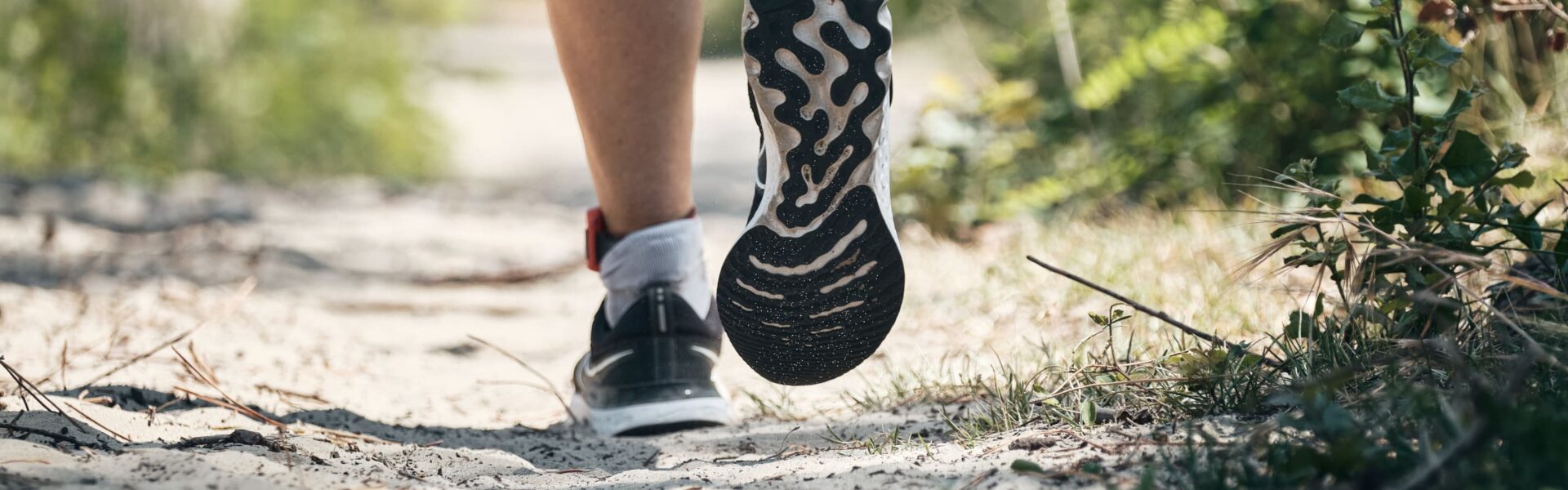
• a running session,
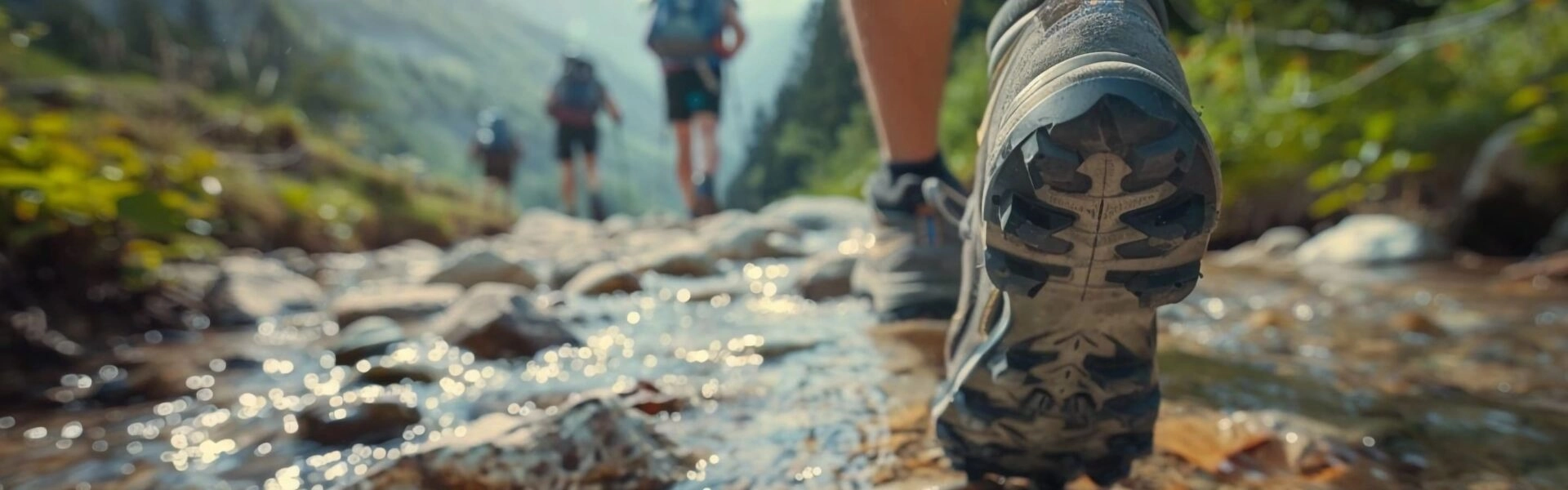
• a hike,
• use of certain tools,
• repetitive movements,
As a result of this irritation, the skin becomes red and a blister appears in the form of a sac containing a clear fluid. Its size can vary from a few millimetres to several centimetres. Like a car airbag, the blister acts as a sort of ‘cushion’ to protect the deeper layers of the skin (the dermis and hypodermis) from pressure and potential infections. A blister may sometimes fill with blood if a blood vessel is punctured, or with pus if there is an infection.
Should you burst a blister?
Under normal circumstances, a blister heals and clears up on its own, and the skin returns to its usual appearance. Therefore, never burst a blister.
Indeed, when a blister is burst, it can no longer fulfil its role of protecting the deeper layers of the skin. This opens the door to infections and harmful influences from the outside environment. Not to mention the pain created by the lack of skin protection. It is therefore best to leave the blister's sac intact.
However, it may be burst due to friction or an impact.
How do you treat a burst blister?
If your blister has burst, do not try to peel off the dead skin. Leave it in place to allow it to heal properly.
Next, follow these steps to treat your burst blister properly:
• Start by cleaning the wound with an antiseptic solution or with mild soap and water. If in doubt, ask your pharmacist for advice.
• Ensure that the area to be treated is free from cream or oil.
• Next, apply a blister dressing, taking care not to apply it too tight.
• Remember to change the dressing regularly, after showering or when it starts to peel off.
If you have a burst blister on the sole of your foot, make sure you wear shoes that are wide and supple enough to allow the blister to breathe and prevent any rubbing that might aggravate it.
The right product for you: URGO Extreme blisters
Urgo products for treating blisters
We’ve thought of everything to bring you dressings specially designed to treat blisters. The URGO Extrême Blisters dressing has a raised mesh that protects the burst blister from pressure and friction. Its hydrocolloid mass relieves pain and promotes healing thanks to the skin-regenerating gel.
For blisters on your feet, try URGO Blister Treatment – Heel: this also features hydrocolloid technology in an extra-thick patch that relieves pain and promotes healing. This dressing is specially designed to fit the shape of the heel, ensuring a secure fit and a ‘second-skin’ feel.
It’s summer and you’re planning to wear open-toed shoes? Don't panic, there is URGO Blister Treatment - Ultra discreet heel. This solution offers the same benefits as the previous ones in terms of pain relief and healing, but the dressing is more discreet and transparent, so your blister goes unnoticed.
For burst blisters on fingers and toes, we have developed URGO Blister Treatment – Fingers/Toes. Thanks to its compact size and ergonomic design, it fits your finger perfectly and provides the comfort you need to treat your burst blister properly.
Do you have blisters on both your feet and your hands? You need URGO Blister Treatment - Assortment: dressings designed for fingers, toes and heels. The combination that ensures you can always find the right dressing for the affected area.
Nutrition to help a burst blister heal
To give yourself the best chance of your blister healing, include vitamins and minerals in your diet that help maintain healthy skin. These include:
• Vitamin A (offal, liver, kidneys, eggs, fatty fish);
• Vitamin B2 (soft cheeses, parsley, shiitake mushrooms, egg yolk);
• Vitamin B3 (white meat, peanuts, sesame seeds, wheat germ);
• Vitamin B8 (almonds, wholegrain bread, artichoke, brewer’s yeast);
• Iodine (seafood, salt, seaweed, shellfish);
• Zinc (whole grains, cocoa, red beans, chickpeas, nuts).
A burst blister may take several weeks to disappear completely. Throughout the healing process, make the necessary lifestyle adjustments to treat your blister effectively and allow your skin to return to normal.
How to prevent and treat blisters
To avoid having to treat a burst blister, the best thing is still not to get one in the first place. Fortunately, there are a few tips to help you avoid this painful and uncomfortable mishap.
For blisters on your feet, we recommend wearing open-toed shoes that aren’t too tight. Wear socks made from natural fibres such as cotton, which can help reduce excessive rubbing. If you’re going for a hike or doing a lot of walking in town, use a dressing to prevent chafing. And after buying new shoes, wear them for a few minutes each day at first so that your feet can get used to them.
To prevent blisters on your hands, make sure you wear gloves when carrying out manual tasks such as housework or DIY.
As you will have realised, bursting a blister is strongly discouraged. However, should that ever happen, you now have everything you need to deal with it in the best possible way. Goodbye pain, hello peace of mind!