What is a foot callus?
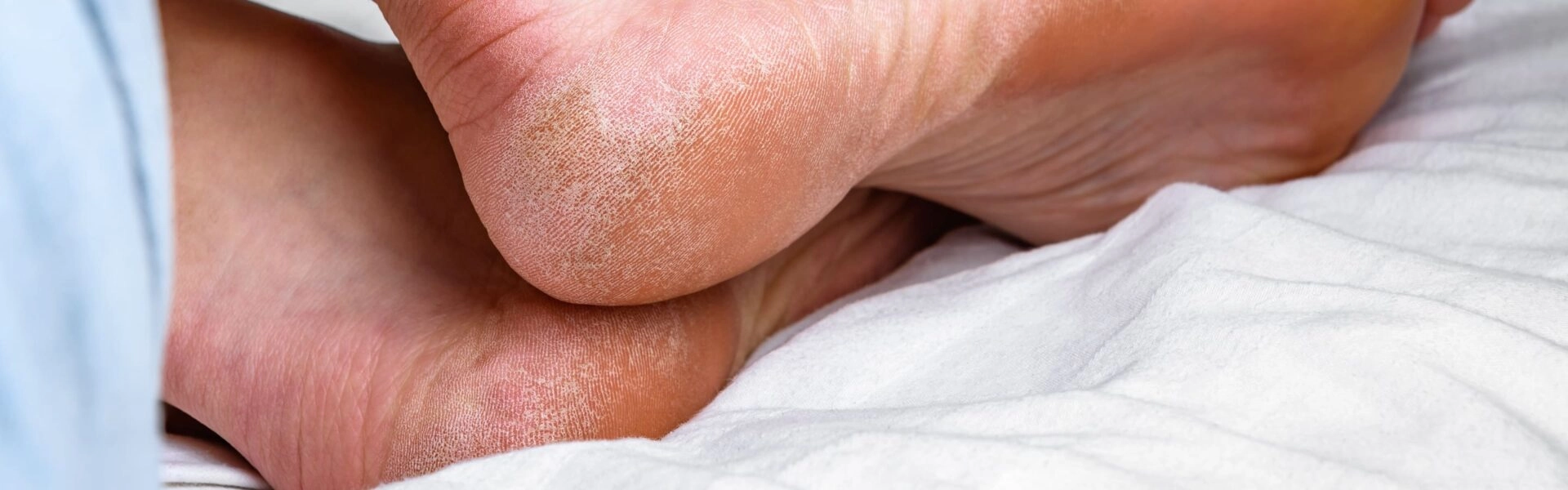
Foot calluses are a thickening and hardening of the skin of the foot. This is also known as a “corn under the feet”. Calluses can be recognised by their yellowish colour and fairly undefined contours.
In most cases, they appear over an area spanning several centimetres and on the parts of the foot that bear the most weight on a daily basis: on the sides of the foot and the heel, and at the junction between the toes and the forefoot.
A plantar callus does not usually cause any pain, unless it is left untreated and develops into a corn or a hard patch. If it cracks due to cold or lack of care, it can also cause a crack in the skin of the foot (1).
What causes calluses under the feet
Calluses under the feet are a phenomenon that affects a large part of the population. And with good reason: it is caused by the repeated friction that occurs inside our shoes throughout the day. If they are a little too small or too tight, the pressure may be too great and press the skin of the foot against the bones. This leads to an overproduction of keratin (a protein found in the epidermis), followed by a thickening of the skin.
To prevent calluses on your feet, it is therefore best to choose shoes that are quite roomy, relatively open at the toe and well-fitting.
It is also important to be aware that some people are more likely to be prone to foot calluses. These include women wearing high heels who put excessive pressure on the forefoot, people who do sports walking or running, and older people due to dry and sensitised skin.
People with large big toes or who have quite thin skin on their feet are also at risk, as this anatomical feature increases the likelihood of friction and pressure inside shoes.
Finally, if the feet or toes are deformed, there is also a greater amount of calluses on the feet.(1)(2)(3)
How to remove calluses from feet
The first thing to do when removing calluses from the soles of your feet is to check that it is indeed a foot callus and not a corn, a hard patch or a crack. In this case, the problem will have to be dealt with differently.
If you have corn on your heels, for example, start by soaking your feet in warm water for 20 minutes to make the removal process easier. Next, gently sand down the callus using a pumice stone, a file or Emery paper.
As part of your daily routine, make sure you maintain good hygiene by washing your feet with soap and water, then drying them thoroughly to prevent infection.(4)
The URGO product you need: URGO anti-callus cream
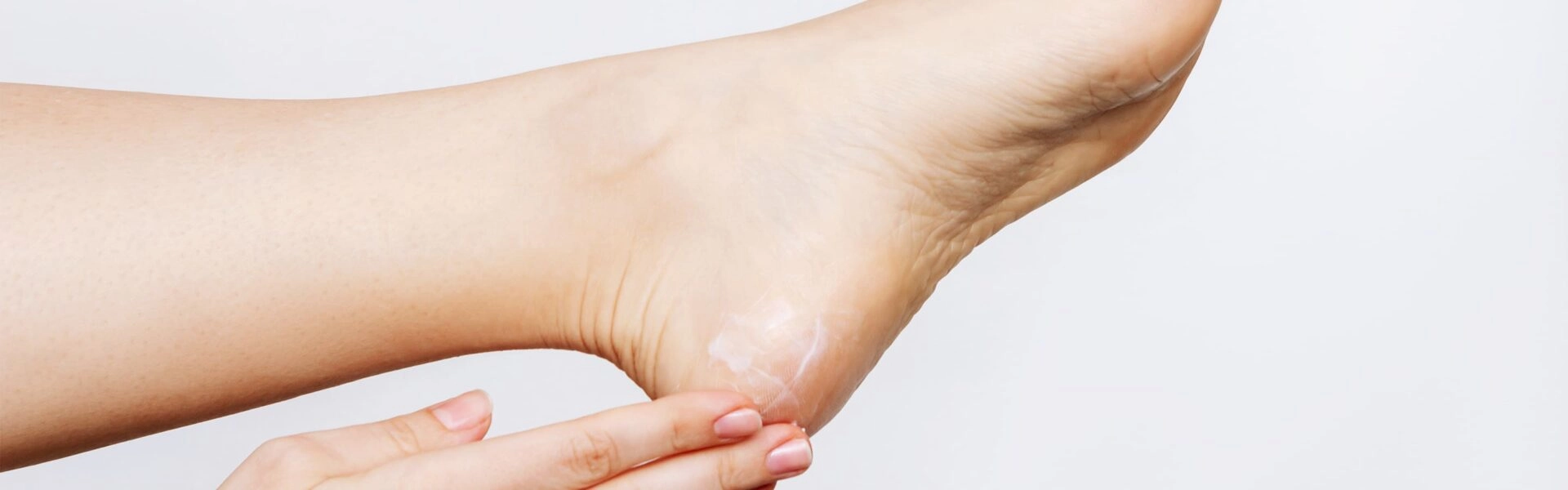
Afterwards, you can also apply a suitable cream such as URGO Anti-callus cream for persistent roughness and calluses. Thanks to its precision tip, this treatment targets calluses to reduce them and soften them over the course of an intensive 14-day local treatment. Throughout the duration of the treatment, make sure you wear shoes that are relatively soft, lightweight and seamless, with a good sole and a fairly low heel. This will help reduce friction and excessive pressure.
Should I see a doctor about calluses on the soles of my feet?
It is usually not necessary to see your doctor, as you can treat calluses on your feet yourself. However, we advise you to consult your doctor if you have diabetes, arteritis or a skin condition affecting your feet, if a corn becomes infected, or if you have fallen as a result of foot pain.(4)