What is a crack?
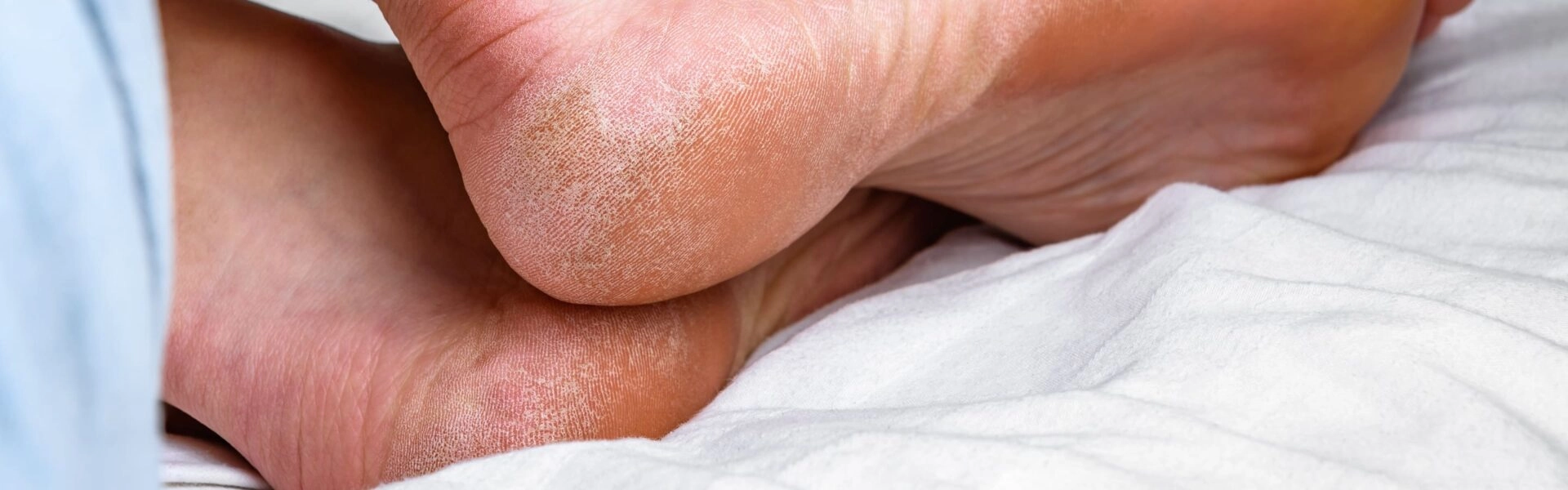
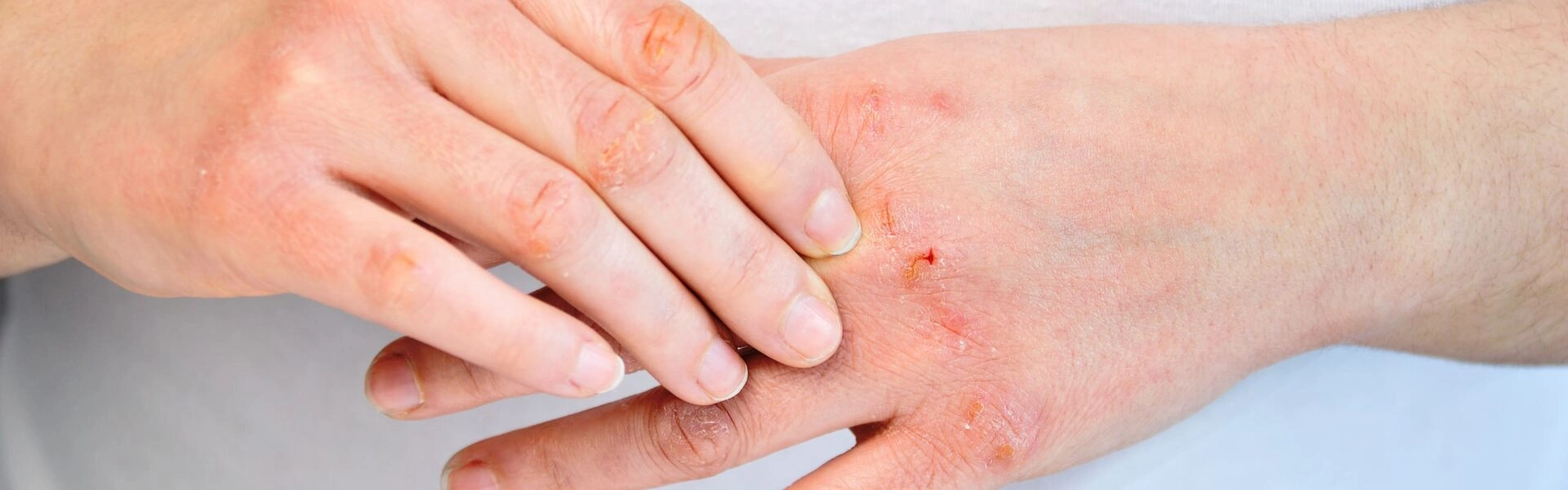
Cracks are fissures of varying depths in the skin that can occur on the hands or feet. Skin becomes thicker, drier and eventually cracks in places. (1) Cracks on the hands appear at the base of the fingers, along the length of the finger or at the fingertip. On the feet, the most affected areas are the heels. More rarely, cracks can also occur on the face, if the lips are chapped.
Signs of a crack
It is easy to recognise a cracked finger or foot by paying attention to these few signs:
- Very severe dryness of the skin,
- Dead skin,
- Redness,
- Bleeding,
- Tightness that can lead to pain,
- Swelling,
- Itching
- Inflammation.
If you notice any of these signs, it may be a crack. To treat it effectively, it is necessary to learn how to avoid the factors that trigger it and to provide appropriate care.
How do cracks form?
Cracked hands or feet are caused by the skin becoming very dry in the affected areas. The layers of the skin become dehydrated and the hydrolipidic film – which normally protects the skin from external aggressions – is lost. However, while the mechanism is the same, the factors leading to the formation of cracks differ depending on the part of the body.
The causes of cracked hands
In our day-to-day lives, we are constantly using our hands, whether for work or for doing manual tasks. Friction caused by repetitive movements therefore tends to damage the skin on the hands, which eventually cracks. Using your hands to carry out detailed tasks can therefore cause cracks to form on your fingers.
Contact with water and drying agents such as soap also contribute to the dehydration of the skin. Similarly, the use of household cleaning products can damage the skin barrier on the hands, due to the corrosive substances they contain. Furthermore, if the skin is already weakened by a condition such as eczema or psoriasis, it will be more prone to dryness and therefore at greater risk of becoming cracked.
Finally, the cold is undoubtedly one of the most common factors, as it helps to dry out and dehydrate the outermost layer of the skin.
I have cracked hands - what should I do?
So what can you do to treat your cracked hands? The first step is to limit the cause of the cracks. To do this, take a break from any activity that irritates your skin, and protect your hands from the cold or whilst doing household chores.
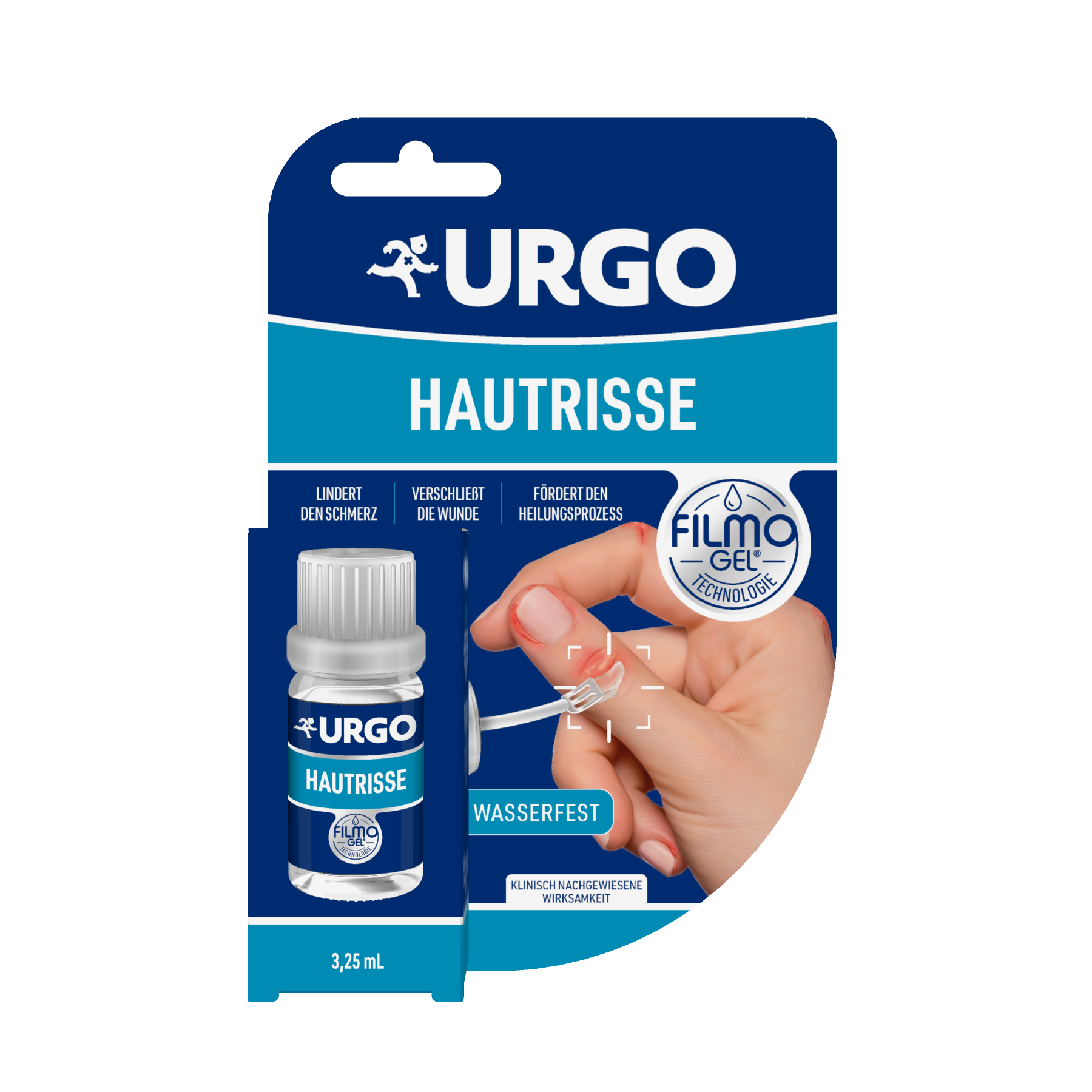
The second important step is to treat the crack using the appropriate treatment. Thanks to its unique technology, URGO Filmogel® Cracked Hands (ages 3 and over) creates a protective film that prevents the crack from reopening. Discreet and waterproof, it also helps relieve pain and promotes the healing of cracked hands.
The URGO product you need: URGO Filmogel® Cracked Hands
The causes of cracked feet
Our feet, too, are put under a great deal of strain in everyday life, as they bear our body weight and enable us to move around.
Repeated friction and pressure inside shoes can therefore irritate the skin, causing it to crack. This is especially true during sporting activities such as running or hiking. Please note that wearing tight shoes can contribute to this problem. Similarly, walking barefoot or in sandals or flip-flops also causes friction, which puts a lot of strain on the feet.
Contrary to what one might think, humidity actually causes the skin to dry out. Sweating is therefore one of the causes of cracking in the feet, which is promoted by synthetic materials. Finally, just as with the hands, skin on the heels that has become damaged is more prone to cracking.
How to treat cracked feet
If you have cracked heels, make sure, first and foremost, to wear shoes that are comfortable and allow sweat to escape.
If you practice sports regularly, reduce the intensity of your training sessions or opt for static activities such as weight training or yoga.
And don’t forget to treat your cracked heels with URGO Filmomousse® Intense Hydration (ages 5 and over), which is recommended for treating very dry skin and cracked heels, and is suitable for diabetic feet. This foaming cream intensely moisturises, reduces cracking, soothes itching. It also helps to improve the skin’s barrier function on very dry to cracked feet, without leaving a greasy residue.
To target the affected area precisely, there is URGO Filmogel® Cracked Heels (ages 3 and over): a liquid dressing that forms a protective film on contact with the air. It helps to heal the crack from the very first application and promotes healing whilst preventing it from reopening.
The URGO product you need: URGO Filmomousse® Intense hydration
Who is at risk of developing cracks?
Given the factors of occurrence, the people most at risk of suffering from cracked hands and cracked feet are:
- Athletes whose activity puts a lot of strain on their feet: dancers, runners, hikers, etc.
- Older people because with age, the skin tends to become thinner and drier,
- People with diabetes.
If you recognise yourself in this list and are showing signs of a cracked heel, you can speak to your doctor to discuss the best course of action for your particular situation.
How to prevent cracks
The main causes of cracked hands and feet can be avoided by following a number of recommendations. First, make sure to dry your hands and feet thoroughly after showering and moisturise your skin daily with a product suitable for dry skin. You can repeat the procedure each time you wash your hands. Protect your hands by wearing gloves when it’s cold and when using cleaning products.
Avoid walking barefoot and opt for socks made from natural fibres (cotton, wool) and well-ventilated shoes. Inspect your feet regularly to prevent infections and calluses. (2)
Remember to drink enough water every day and to eat foods rich in vitamin A (melon, peppers) (3), B3 (tuna, peanut butter) (4), B12 (squid, almonds) (5), iodine (shellfish) (6) and zinc (oysters, beef) (7), which help maintain healthy skin.